伝言を残す
弊社の製品にご興味があり、詳細を知りたい場合は、こちらにメッセージを残してください。できるだけ早く返信いたします。
提出する
バナー
ブログ
ホームページ ブログ

Are post-cutting deburring processes necessary if you use high-precision CNC laser cutting services?

Are post-cutting deburring processes necessary if you use high-precision CNC laser cutting services?

Jul 14, 2026

You may not always need post-cutting deburring when you choose high-precision CNC laser cutting for stainless steel parts. Huapusheng’s Laser Cutting Service Provides advanced solutions that deliver clean, accurate edges.

  • Advanced CNC systems optimize cutting parameters, reducing burrs.

  • Real-time monitoring allows immediate adjustments for quality. Ordering Custom Stainless Steel Components Laser Cutting Services online gives you fast, reliable results tailored to your needs.


Key Takeaways

  • Deburring enhances safety and quality by removing sharp edges that could cause injuries or affect part performance.

  • High-precision CNC laser cutting often reduces the need for deburring, but it may still be necessary for critical applications or compliance with industry standards.

  • Specify your edge quality requirements early in the design process to avoid rework and ensure proper assembly.


What Is Deburring?

What Is Deburring?

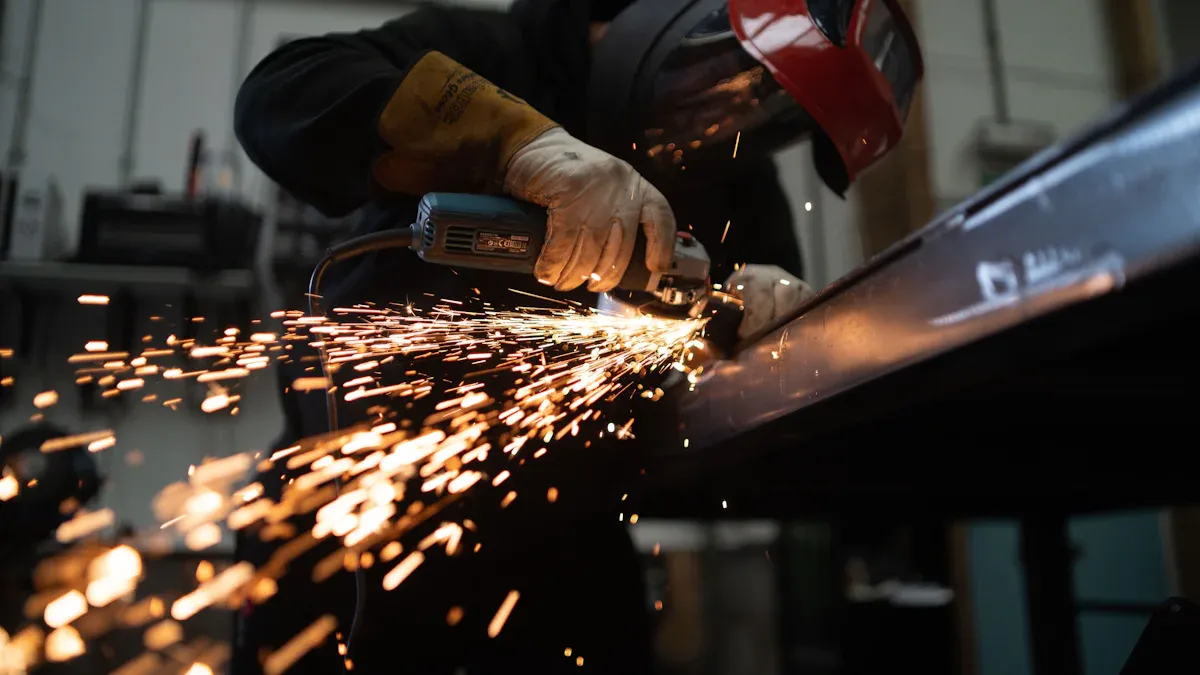
Deburring is the process of removing the small, unwanted pieces of material called burrs that cling to the edges of metal parts after cutting or machining. These burrs may look tiny, but they create sharp edges, interfere with part fitment, and can compromise the final finish. Deburring smooths these edges to create cleaner, safer, and more precise parts.


Purpose of Deburring

When you work with metal fabrication, deburring plays a critical role in ensuring the quality and safety of your finished parts. You want your Custom-fabricated Metal Gear Component or enclosure to function perfectly and look professional. Deburring helps you achieve this by:

  • Enhancing functionality so your parts perform better in high-pressure systems and moving assemblies.

  • Improving safety by removing sharp burrs that could injure workers.

  • Extending component life by reducing stress points that might cause cracks or failures.

  • Optimizing efficiency by preventing disruptions in automated assembly.

  • Improving the appearance of your parts, which leads to higher customer satisfaction.

  • Ensuring compliance with industry safety standards.

  • Achieving cost savings by avoiding expensive repairs or product returns.


Deburring for Laser-Cut Stainless Steel

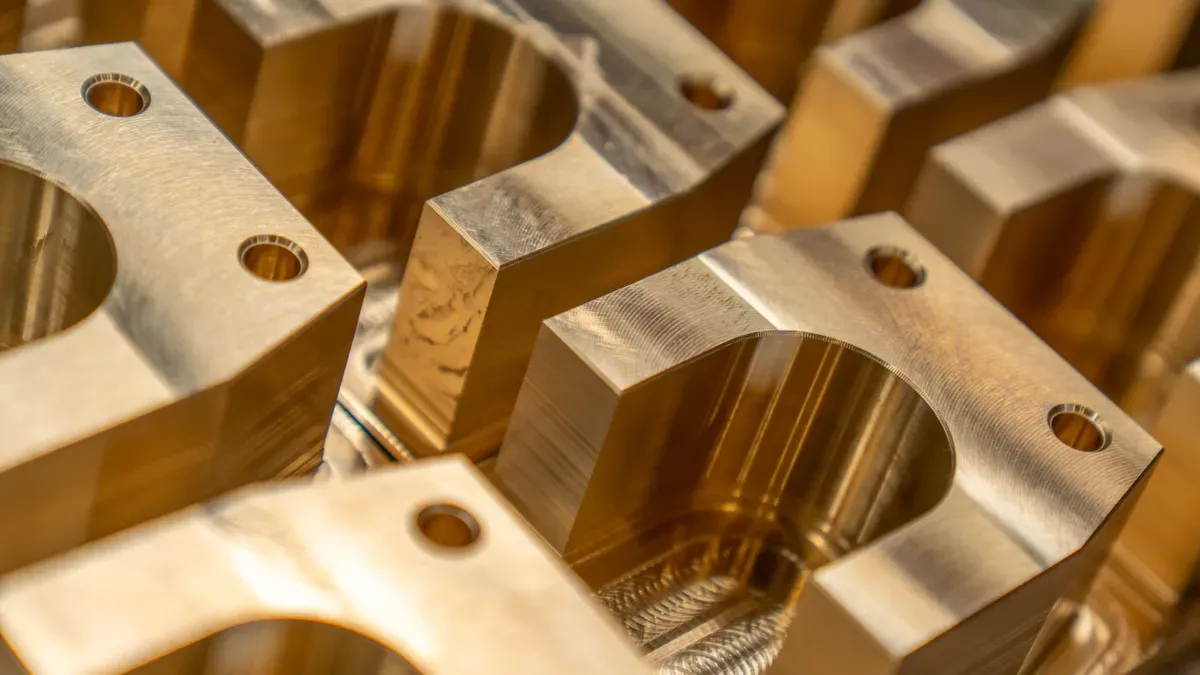
Even when you use advanced Custom Stainless Steel Components Laser Cutting Services, minor burrs or sharp edges can still appear. After CNC laser cutting, you may notice a rough slag residue, especially on the bottom edge of stainless steel parts. This occurs due to the heat at the air, laser, and material interface. While the top edge often remains clean, the bottom edge may need attention.

Huapusheng’s Custom Stainless Steel Components Laser Cutting Services focus on delivering precise, clean edges. The team uses strict quality control measures, such as incoming material checks, first article inspections, and real-time process monitoring. These steps help ensure your parts meet your requirements for both function and finish. If you need a flawless edge for your application, you can always specify deburring as part of your order.


Custom Stainless Steel Components Laser Cutting Services: Edge Quality & Deburring

Custom Stainless Steel Components Laser Cutting Services: Edge Quality & Deburring

Typical Edge Finish in CNC Laser Cutting

You expect high-precision CNC laser cutting to deliver clean, accurate edges for stainless steel parts. Modern fiber lasers and CNC-guided motion systems minimize material deflection and distortion, resulting in consistent, high-quality finishes. The edge roughness, measured as Ra, typically ranges from 6.25 to 0.80 µm, depending on cutting speed and power. Faster cutting speeds often produce smoother edges due to reduced heat input.

Process

Typical Ra (µm)

Typical Application / Notes

Laser Cutting

6.25 – 0.80

Edge roughness varies by power/speed.

Research shows that increasing the cutting speed from 1.5 m/min to 3.5 m/min can reduce the Ra value from 5.4 µm to 4.0 µm. You benefit from this precision when ordering Custom Stainless Steel Components Laser Cutting Services, as the process ensures tight tolerances and repeatable results across batches.


When Deburring Is Needed

You should consider deburring for stainless steel parts in several scenarios:

  • Edge quality is critical for your application, especially if smooth edges are required for assembly or safety.

  • Your parts will be handled frequently, and sharp edges could pose a risk to operators.

  • Industry standards or certifications, such as ISO 9001:2015 or AWS/ASME IX, require deburred edges for compliance.

  • You need a flawless finish for aesthetic purposes or downstream processes like powder coating or painting.

  • Your project involves hydraulic or fluid systems, where burrs could cause failures.

Standard/Certification

Description

ISO 9001:2015

Quality Management System standard that outlines requirements for consistent quality in products and services.

AWS/ASME IX

Certification for welding that includes standards relevant to the fabrication processes, including deburring.

Burrs can obstruct assembly, interfere with press fits, and disrupt thread starts. They may also compromise safety and affect the quality of coatings. You avoid these issues by specifying deburring when ordering Custom Stainless Steel Components Laser Cutting Services.


When Deburring Can Be Skipped

You may skip deburring in cases where:

  • The application does not require smooth edges, and minor burrs will not affect performance.

  • Parts are not exposed to frequent handling or safety concerns.

  • The finish is acceptable for non-critical or internal components.

  • Industry standards do not mandate deburring for your project.

Custom Stainless Steel Components Laser Cutting Services often deliver parts with sufficiently smooth edges, especially for projects where edge quality is not a primary concern. You save time and costs by omitting deburring for these applications.


Decision Guide for Your Project

Use this checklist to decide if you need deburring for your stainless steel parts:

  • Will your parts be handled by operators or end-users?

  • Does your project require compliance with ISO or AWS/ASME standards?

  • Are smooth edges necessary for assembly, fitment, or downstream finishing?

  • Is your application safety-sensitive or aesthetic-focused?

  • Will burrs interfere with hydraulic, electrical, or mechanical systems?

Tip: You can specify edge quality requirements early in the design process. Setting burr limits, tolerances, and edge finish helps reduce rework and ensures proper assembly.

During the online ordering process for Custom Stainless Steel Components Laser Cutting Services, you upload your CAD files, select materials, and review your design. You can specify additional services, including deburring, powder coating, spray painting, anodizing, electrocoating, electroplating, and screen printing. Huapusheng supports custom requirements for projects such as Anodized Aluminum Power Supply Enclosures, ensuring your parts meet both functional and aesthetic needs.

Deburring Type

Additional Lead Time (Days)

Standard Deburring

0–1

Fine Deburring

1–2

Polishing

2–4

Mirror Polish

3–7

Cross-Supplier Logistics

3–5 (additional)

You receive instant quotes and can specify deburring as an option. Huapusheng’s team provides guidance on finishing services and supports sustainable manufacturing practices by minimizing waste and optimizing processes.


Image/Table Concepts
:

  • Table showing typical Ra values for laser cutting edge finishes.

  • Table listing industry standards for deburring.

  • Checklist graphic for deburring decision guide.

  • Table showing additional lead times for finishing services.


Suggested Meta Description
:

Discover when deburring is necessary after high-precision CNC laser cutting for stainless steel parts. Learn how Huapusheng’s Custom Stainless Steel Components Laser Cutting Services deliver clean edges, support industry standards, and offer flexible finishing options for your project.


You may not always need deburring after high-precision CNC laser cutting, but your application and quality needs determine the best choice. Evaluate edge quality, project requirements, and intended use.

  • Deburring ensures safety, quality, and manufacturability.

  • Automated methods improve consistency.

  • Clean edges can reduce costs.

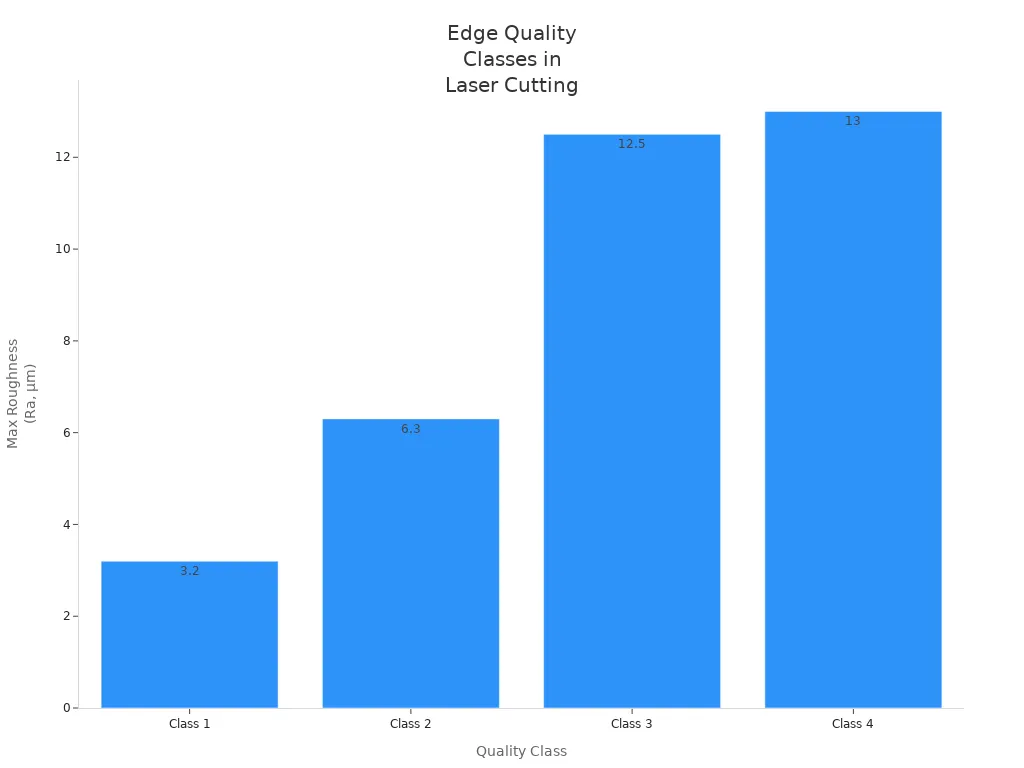
Bar chart comparing maximum edge roughness for four quality classes in stainless steel laser cutting

If you feel unsure, consult with Huapusheng’s experts. You can easily specify deburring during the online ordering process to achieve the finish your project demands.


FAQ

What materials can you process with Huapusheng’s Laser Cutting Service?

You can order parts made from stainless steel, steel, galvanized steel, and aluminum. The service supports grades like SUS304, SUS301, SPCC, SECC, and AL5052.

How do you specify deburring when ordering online?

You upload your CAD files and select deburring as an option during checkout. The platform provides instant quotes and lets you customize finishing requirements.

Does laser cutting always eliminate the need for deburring?

You may still need deburring for safety, assembly, or compliance. Laser cutting reduces burrs, but some applications require additional finishing for optimal results.

伝言を残す

伝言を残す
弊社の製品にご興味があり、詳細を知りたい場合は、こちらにメッセージを残してください。できるだけ早く返信いたします。
提出する

ホームページ

製品

whatsApp

接触

Start a Conversation

Hi! Click one of our members below to chat on