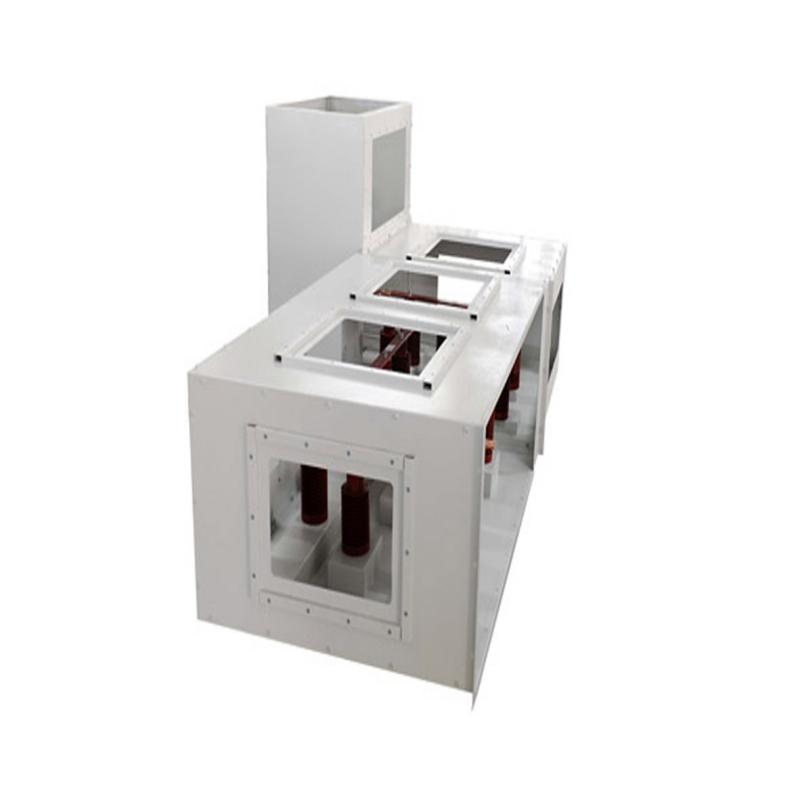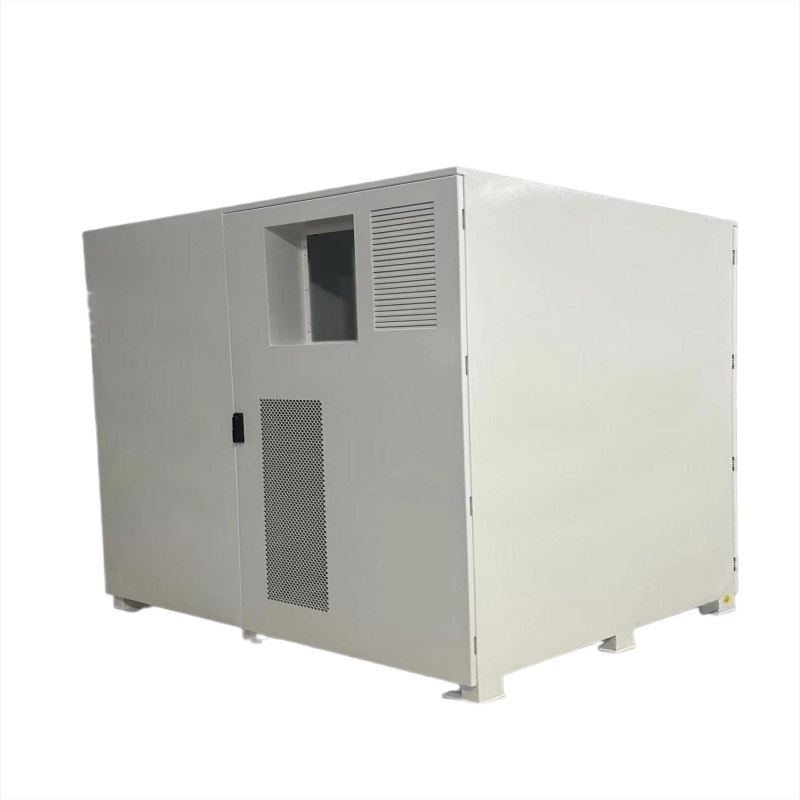
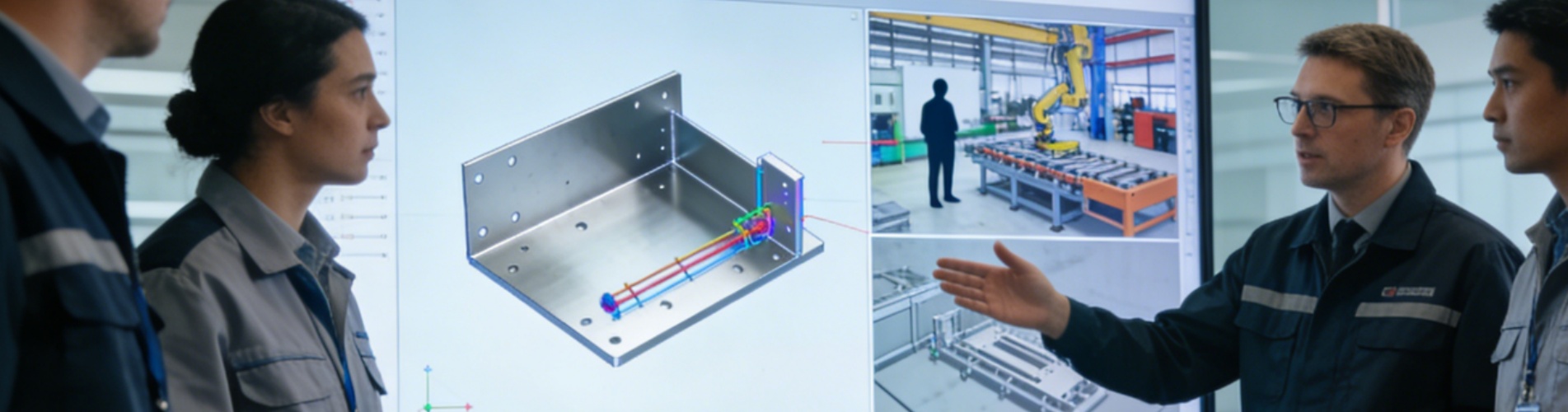
世界のエネルギーネットワークが再生可能エネルギーの統合と老朽化したインフラの改修を急ぐ中、建設手法にも大きな変化が起こっています。従来のレンガとモルタルで建てられた変電所は、プレハブのEハウスやモジュール式のスキッドマウントシステムに急速に置き換えられつつあります。
この移行は、板金筐体製造セクターのあり方を大きく変えつつあります。もはや部品を供給するだけでは不十分であり、メーカーは構造エンジニアリングのパートナーへと進化する必要があります。専門の製造プロバイダーであるHPSは、このトレンドを積極的に推進する企業として位置づけ、現代のグリッドインフラの厳しい要求に合わせて業務基準を適合させています。
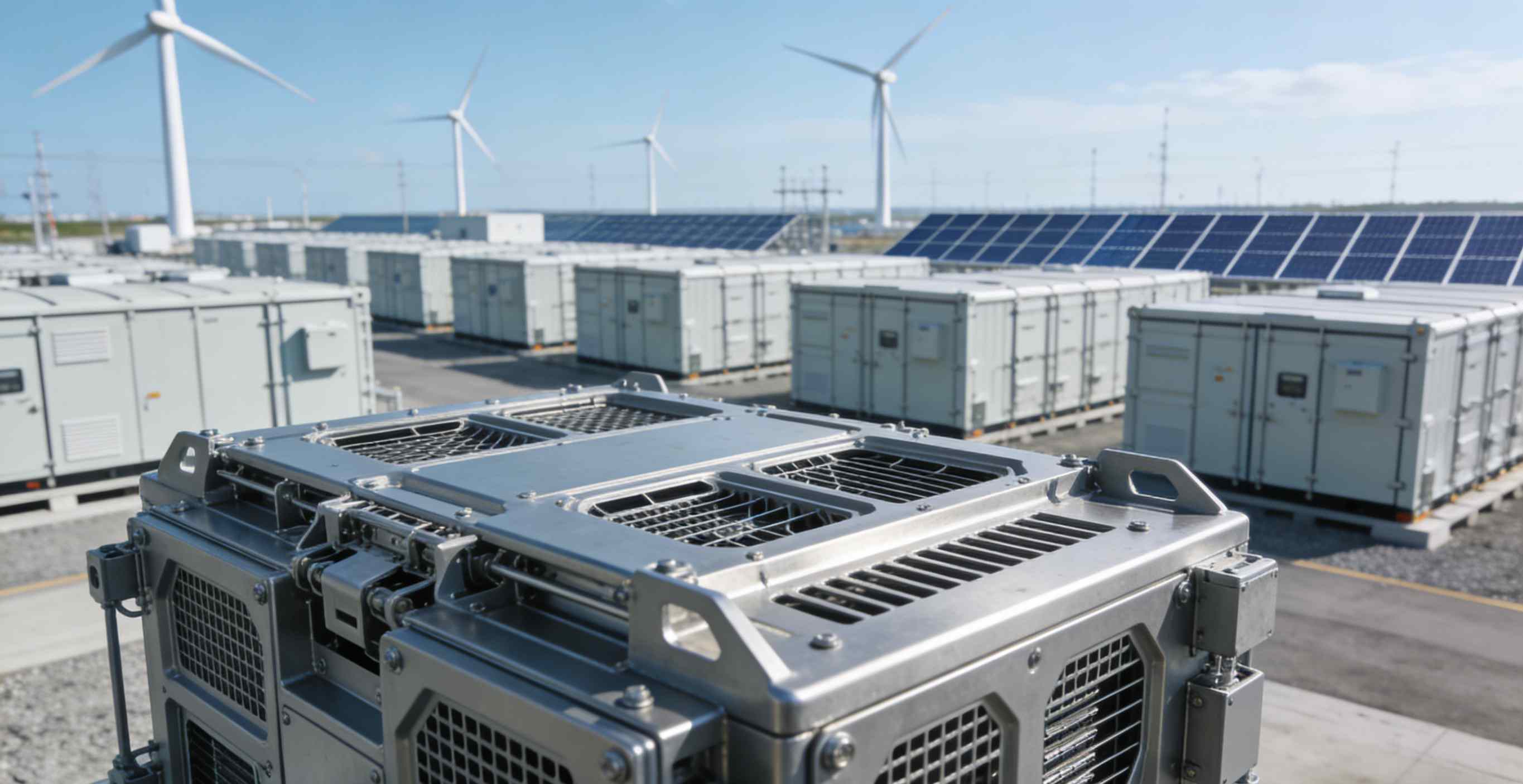
公益事業会社とEPC請負業者は、現場リスクの軽減を目指してモジュール型ソリューションへの移行を進めています。この変化は、許容差管理に大きなプレッシャーをかけています。
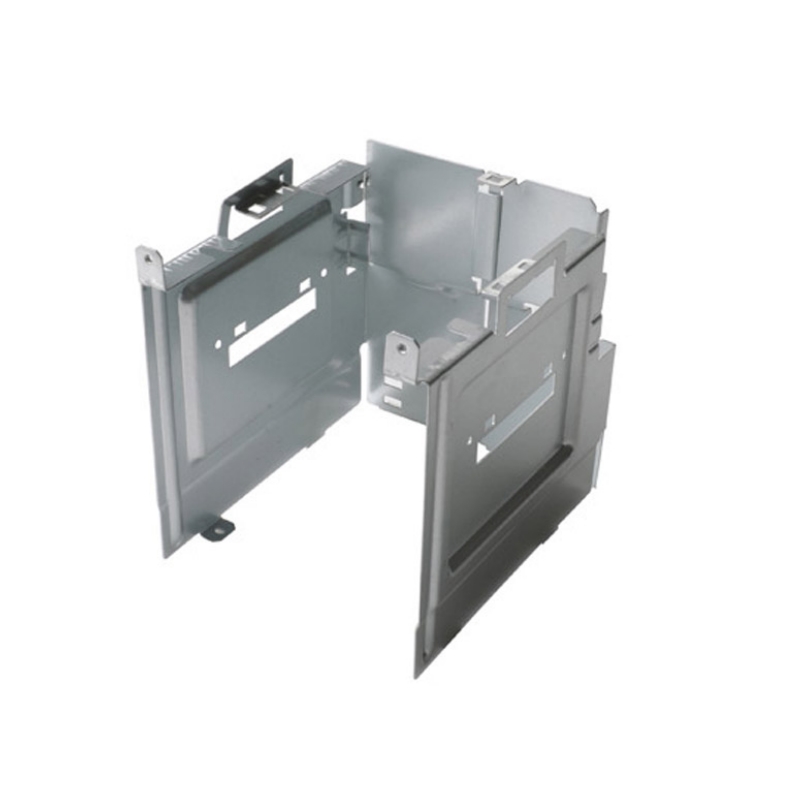
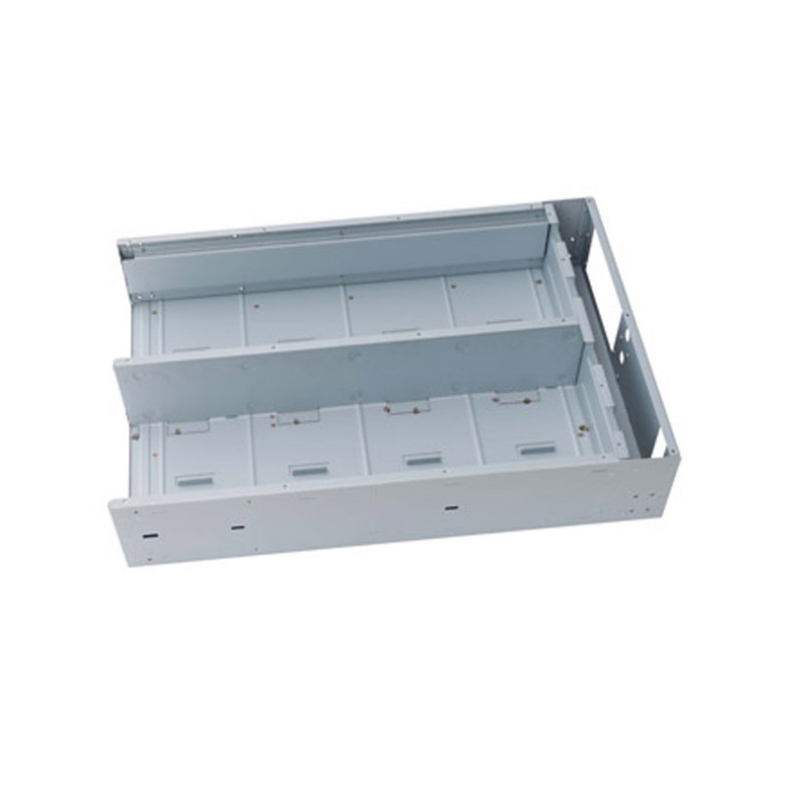
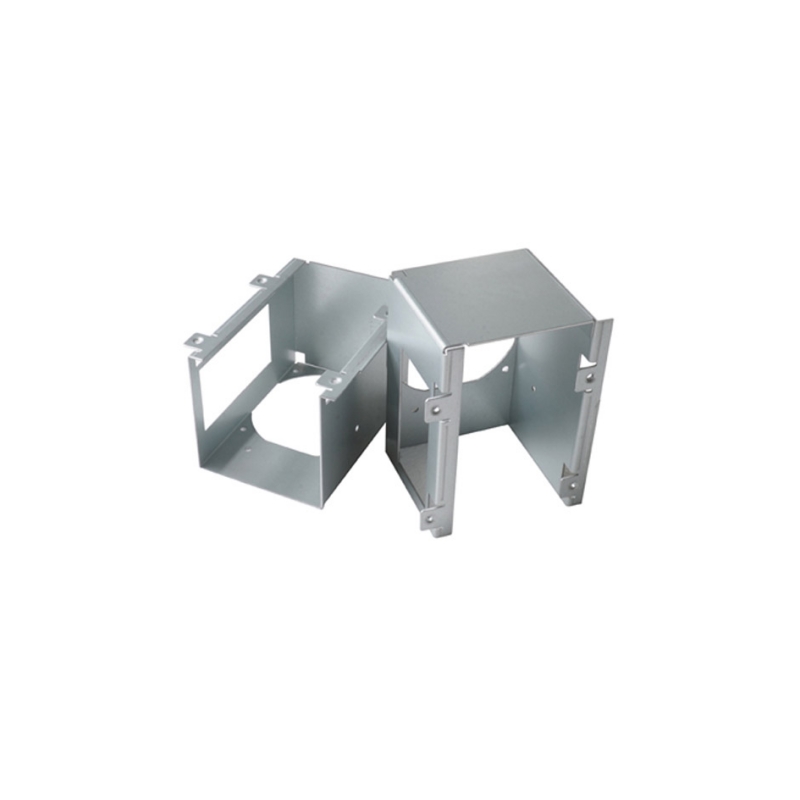
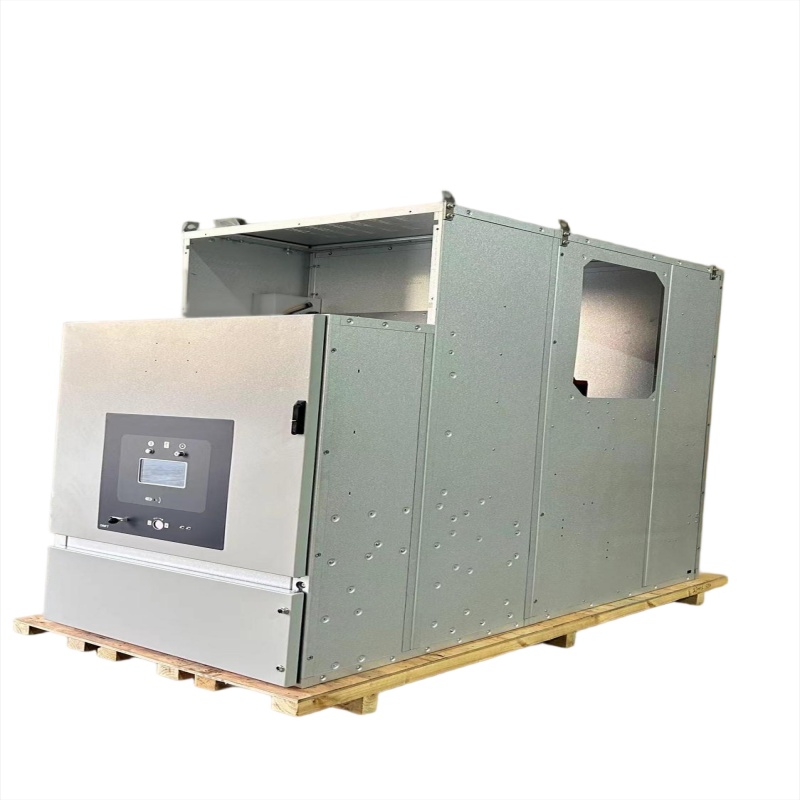
高精度製造の最前線に立つHPSは、モジュラー構造においては理論的な設計を完璧な物理的適合性へと変換する必要があることを理解しています。「私たちは標準的な製造プロトコルの枠を超えています」と、HPSの製造責任者は説明します。「プレファブリケーションラック用のカスタムシートメタルシャーシを製造する際、単に金属を切断するだけでなく、厳格な公差戦略を実行しています。2mmの偏差は単なる欠陥ではなく、お客様の現場での組み立てのボトルネックとなります。」
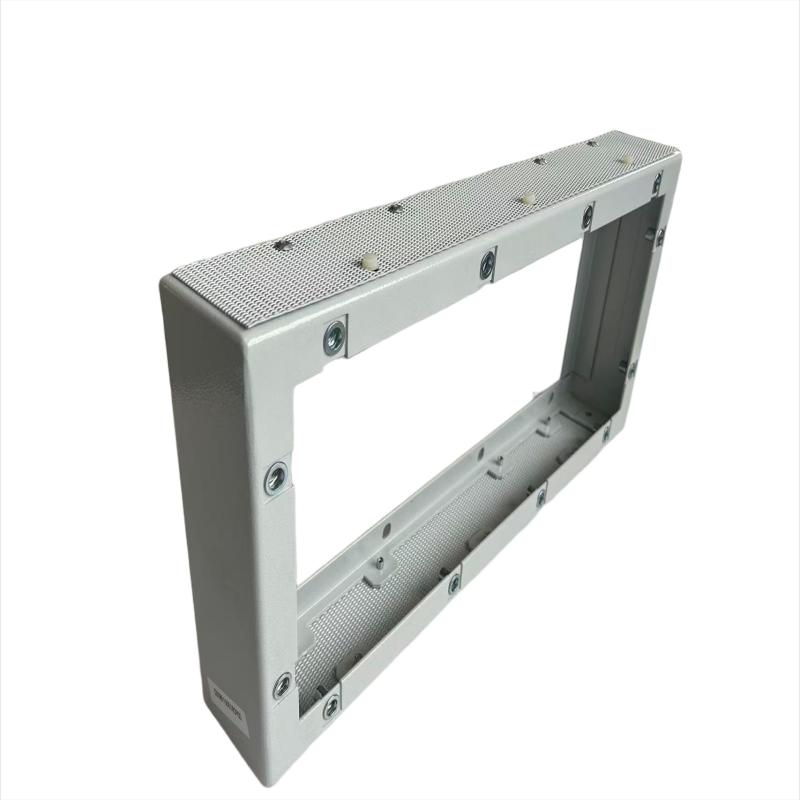
太陽光発電や風力発電アプリケーションにおけるパワーエレクトロニクスの高密度化に伴い、発熱は重大な課題となっています。HPSは、空約束ではなく、工場の現場での具体的なプロセス改善によってこの課題に取り組んできました。
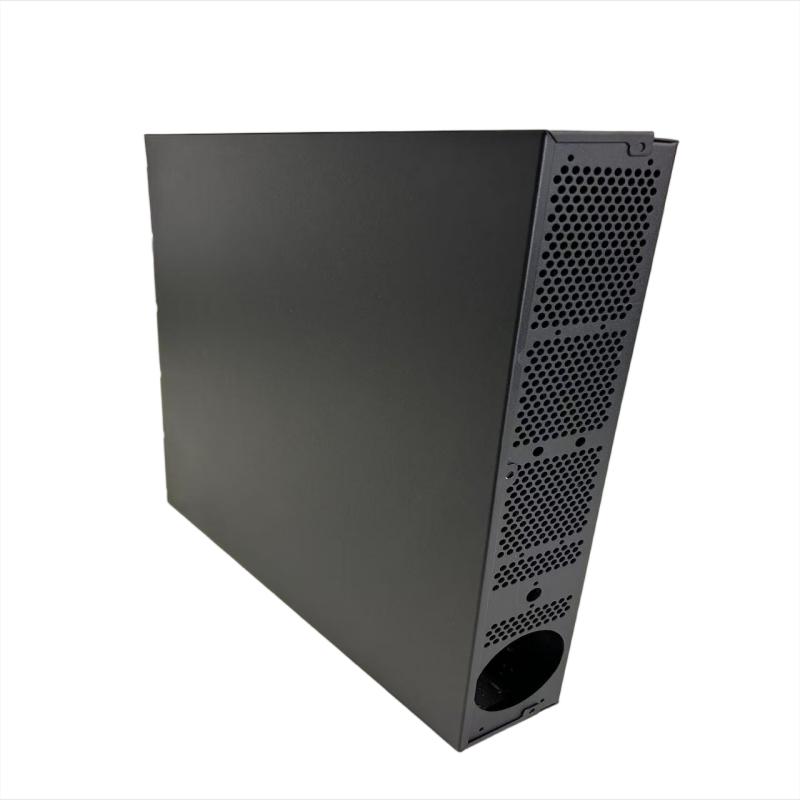
高い空気流と構造的な剛性という二重のニーズを満たすために、HPS は次のような一連の高度な製造手法を導入しました。
精密レーザーアプリケーション: HPS は高速ファイバーレーザーを使用して、60% 以上の開口率を持つ複雑なハニカム通気パターンをカットし、複雑な熱設計を実現します。
認定構造溶接:屋外バッテリーエンクロージャは地震荷重に耐える必要があることを認識し、HPSは認定溶接手順(AWS D1.1規格に準拠)を厳格に実施しています。これにより、HPS施設から出荷されるすべての溶接フレームは構造的に健全であり、輸送準備が整っていることが保証されます。
持続可能性の要件により、アルミ亜鉛や316ステンレス鋼といった先進的な素材が仕様に採用されるようになっています。これらの素材は優れた耐久性を備えていますが、扱いが非常に難しいことで知られています。
材料科学の実践的な専門家として、HPSはこれらの合金を熟知するために、金型と曲げパラメータを最適化してきました。成形プロセスを改良することで保護コーティングの微小亀裂を防止し、これらの高価な材料の理論的な利点が最終製品において最大限に発揮されることを保証します。
HPSにとって、この業界の変化を実践するということは、単にキャパシティを提供する以上のことを意味します。それは、プロアクティブなDFM(製造のための設計)サポートを提供することを意味します。生産開始前にモジュール式組立向けに顧客の設計を最適化できるよう支援することで、HPSは電力網の近代化を単に観察するだけでなく、積極的にその構築を支援していることを証明しています。
 今すぐ見積もりを取る


 IPv6 ネットワークサポート
伝言を残す
スキャンしてWeChatに送信 :

WhatsAppにスキャン :

Hi! Click one of our members below to chat on

 English
 Français
 Deutsch
 Русский
 Italiano
 Español
 Nederland
 日语
日语 한국어
한국어 Svenska